
Why Philosophical Wrestling Matters
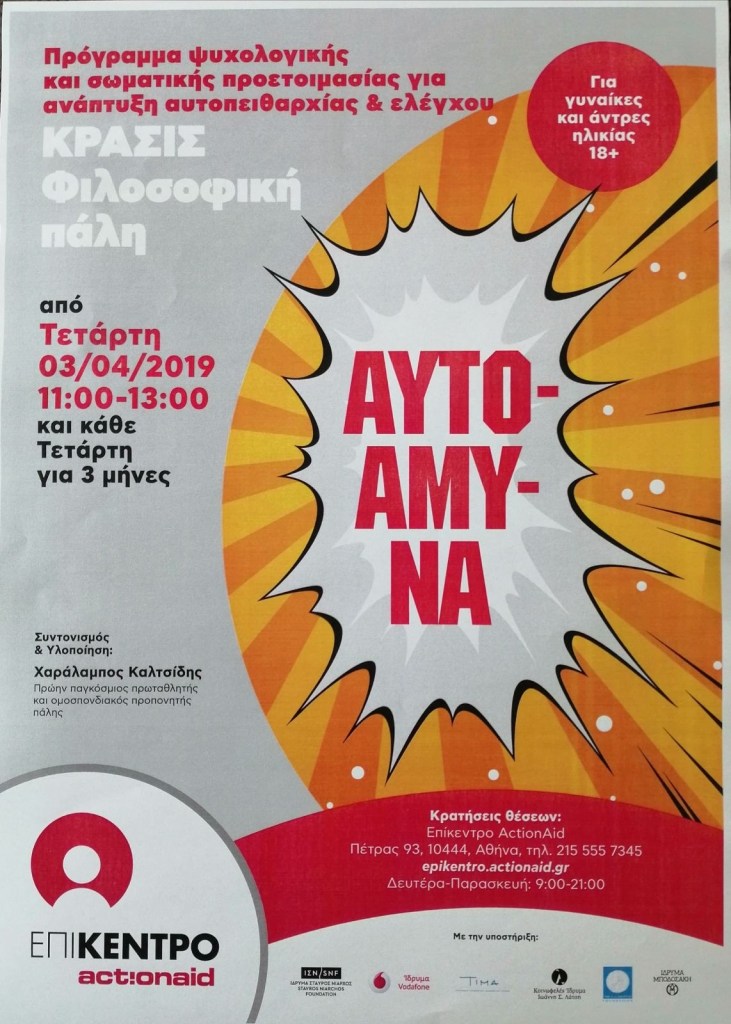
KRASIS is a practice ground where ancient philosophy meets modern conflict, offering drills, dialogues, and scenarios that prepare you for everyday emergencies of meaning, identity, and safety.
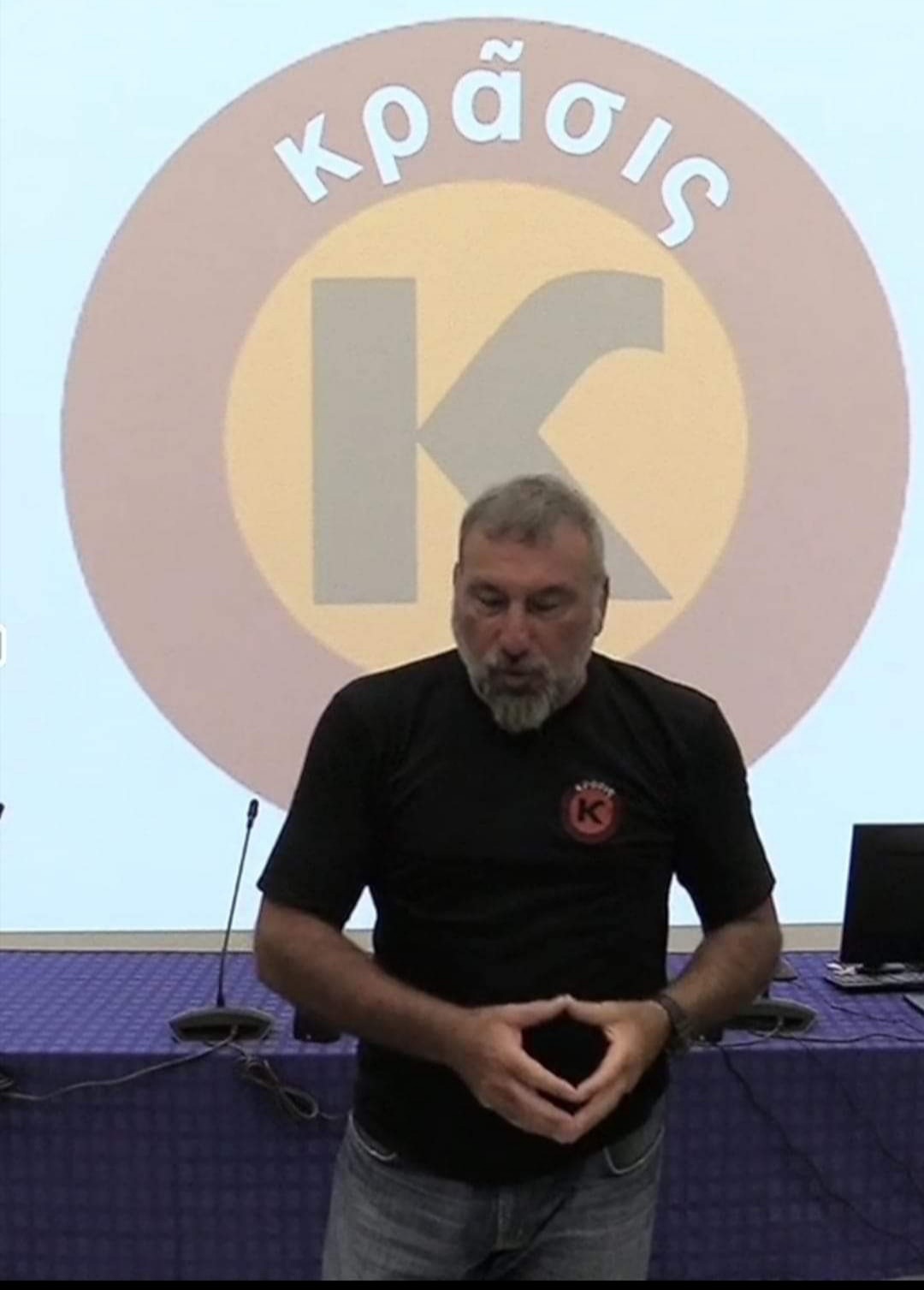
Charalampos “Babis” Kaltsidis Creator of the Krasis Method
Born in Athens in 1969. Physical Education teacher, graduate of TEFAA University of Athens. World Champion in Greco-Roman wrestling and national federation development coach for Olympic Wrestling.
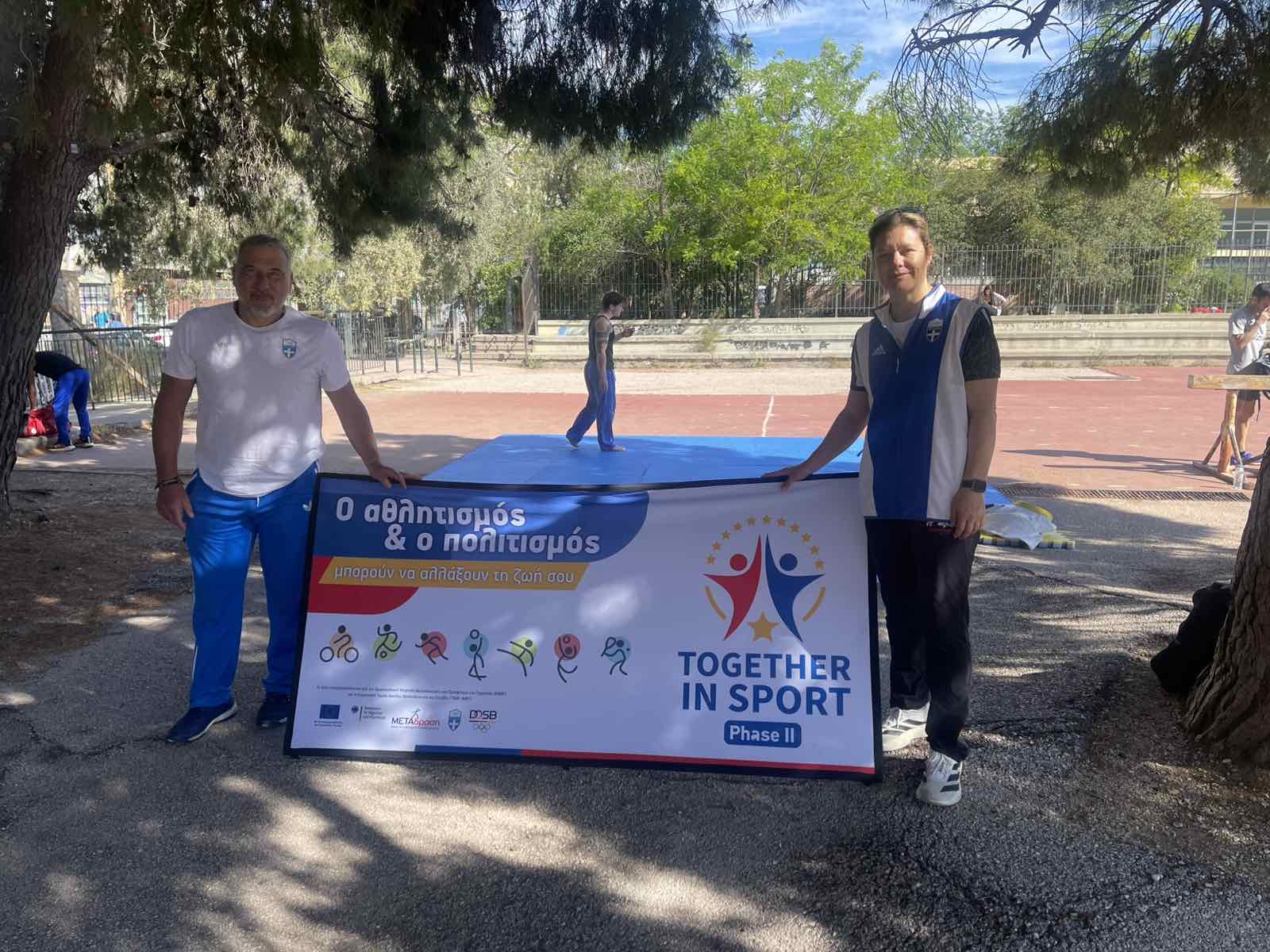
He created the Krasis Method by combining decades of athletic experience with the study of Greek philosophy. He has delivered the program to organizations including the Greek Tax Authority (AADE), the Customs Academy, Action Aid and numerous sports clubs and NGOs.
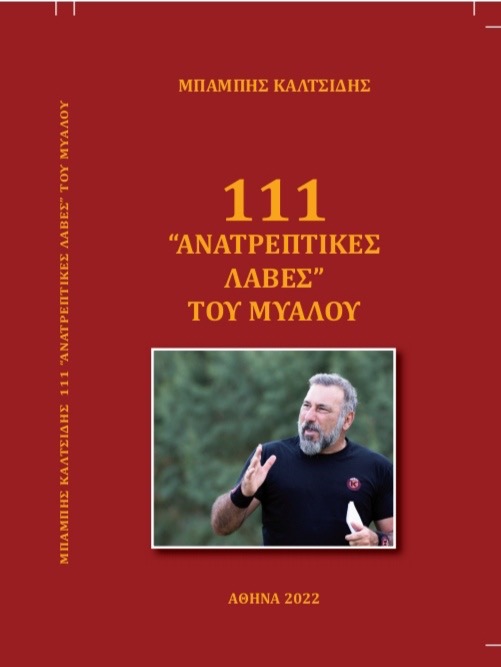
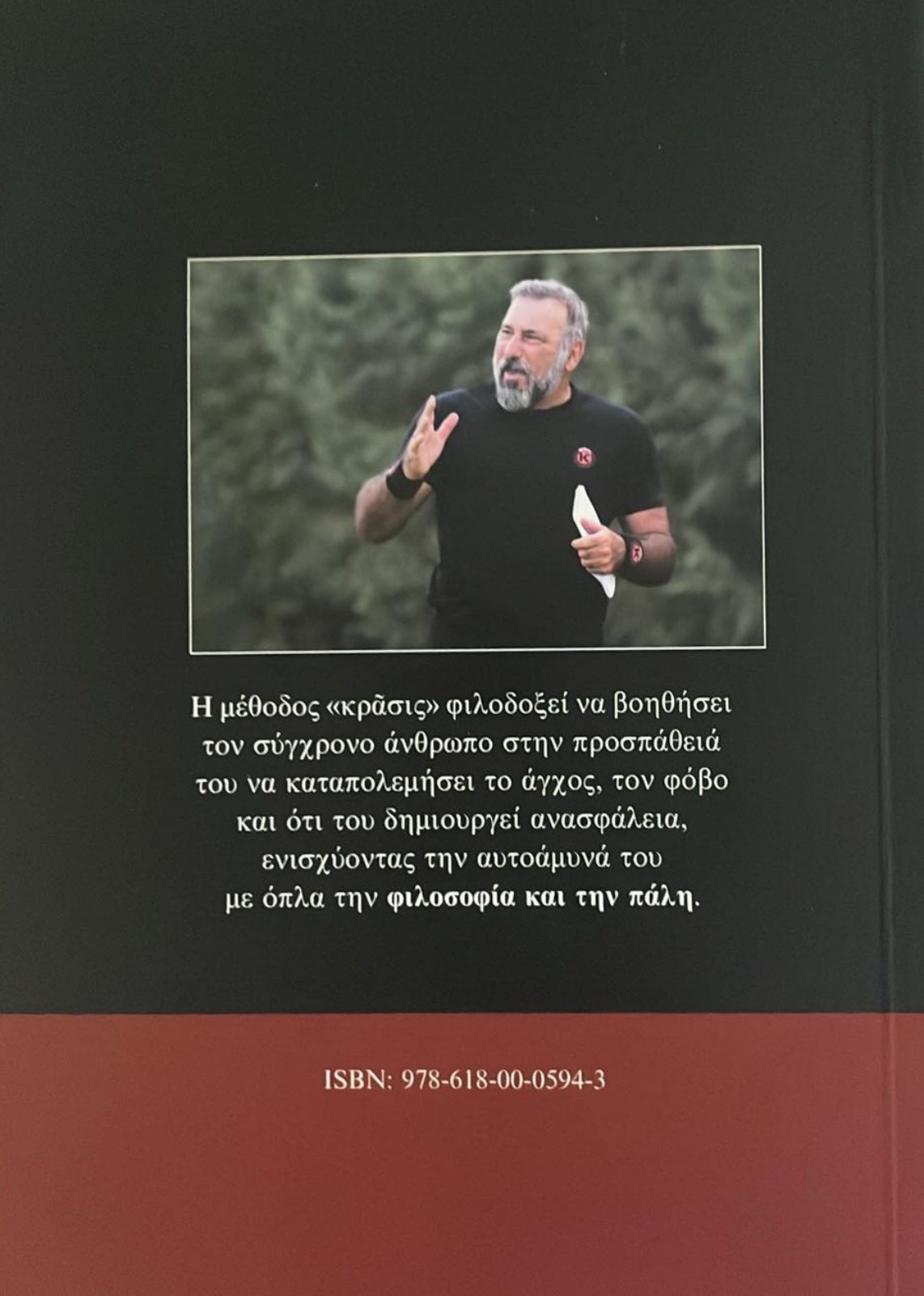
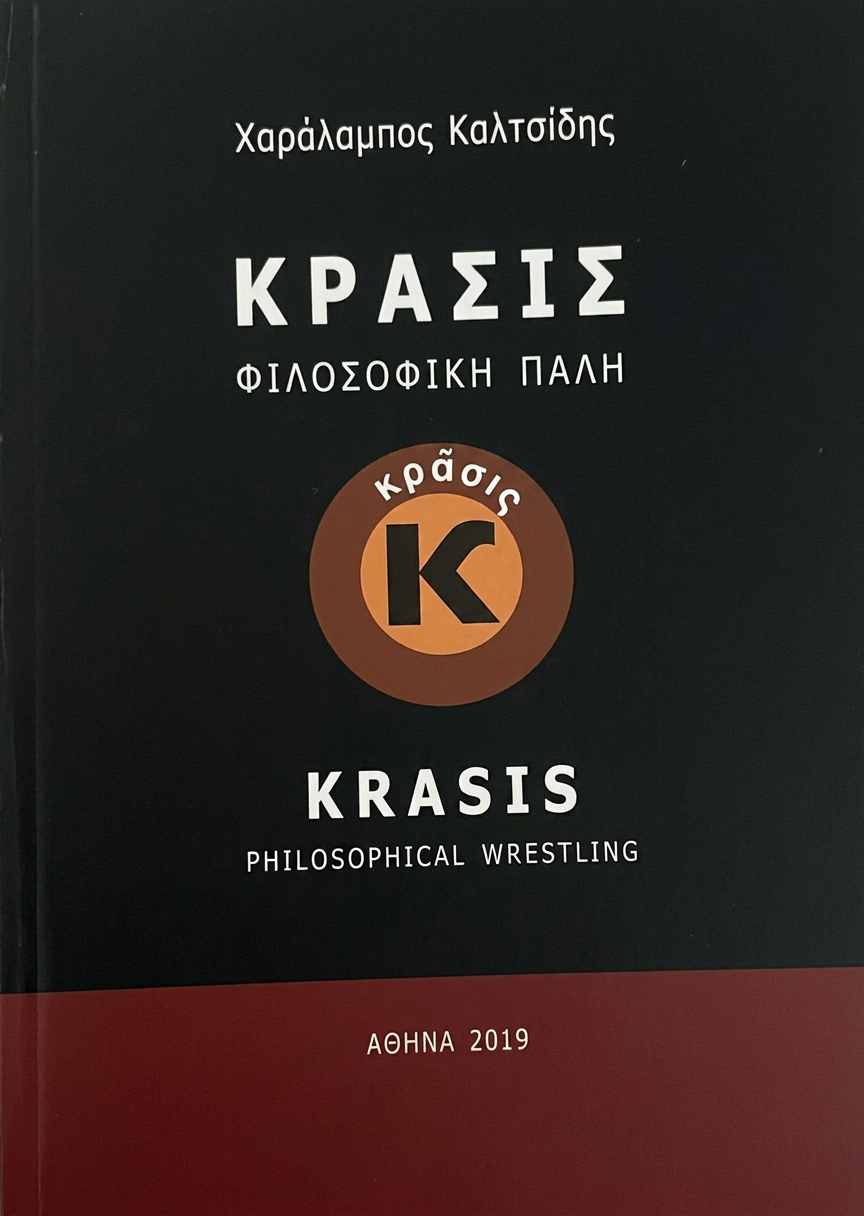
Author of two books: “Krasis: Philosophical Wrestling” (2019) and “111 Mind Game-Changers” (2022).
Method & Benefits
Foundations
The Method
Philosophy Lectures Accessible philosophical lectures focused on self-concentration, self-knowledge and emotional management. Drawing from Socrates, Epicurus, Heraclitus, Plato and Aristotle.
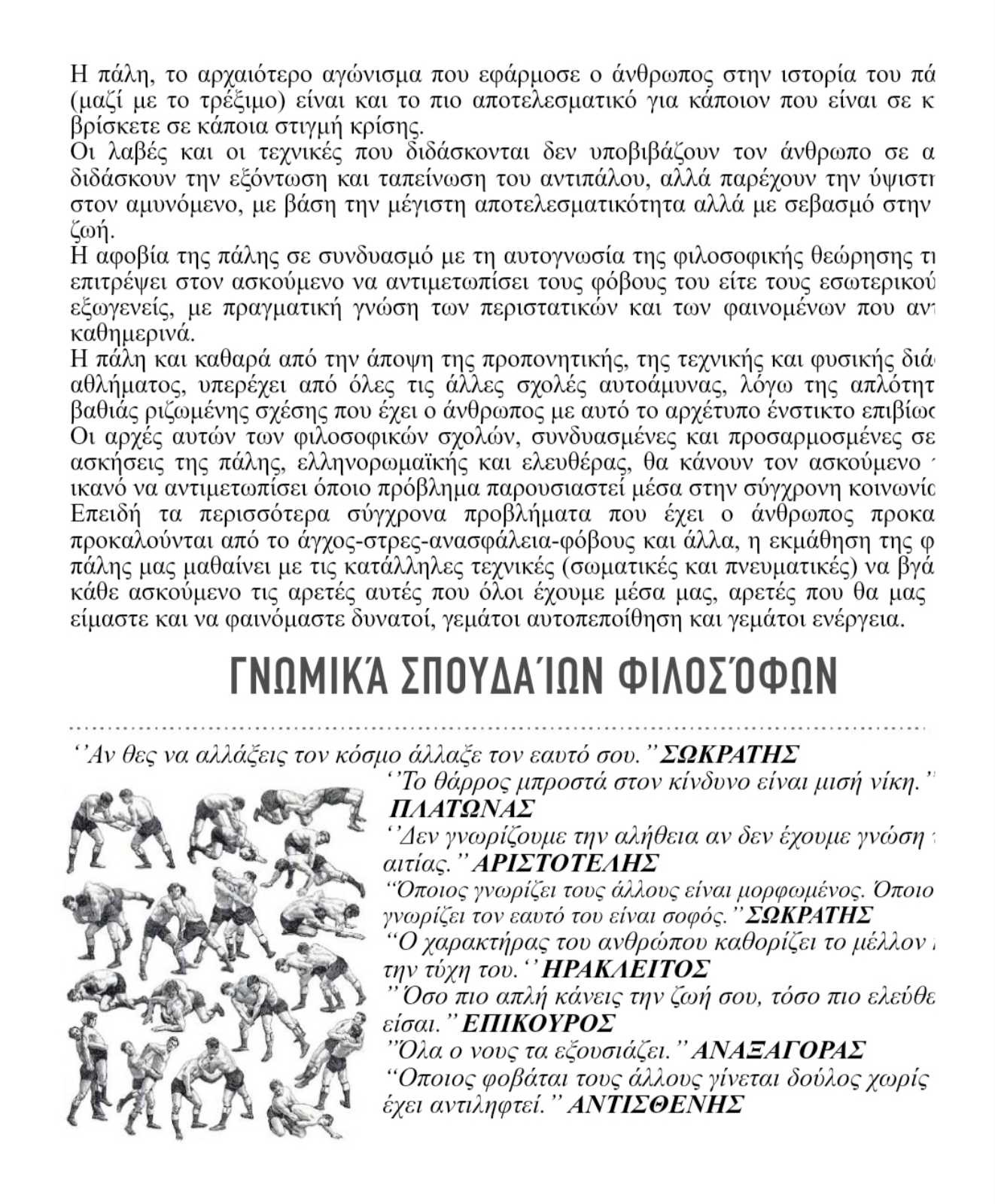
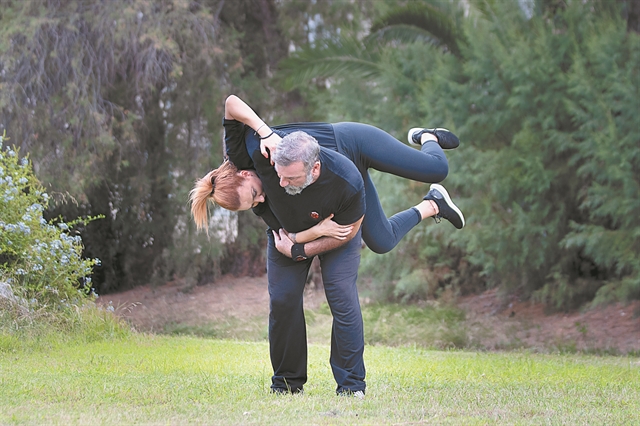
Wrestling Techniques Greco-Roman and freestyle wrestling fundamentals taught as self-defense. Focus on physical fitness, energy and respect for human life.
Crisis Management Practical techniques for handling dangerous situations, maintaining composure under pressure and developing real-world safety reflexes. they throw you.
Clarity
What Practitioners Gain
Those who participate in the Krasis program develop:
- Wellbeing across personal, professional and family life
- Balance of mental and physical endurance in daily life
- Improved performance in team and social environments
- The ability to manage their emotions and personal crises
- Self-defense skills rooted in wrestling
Training
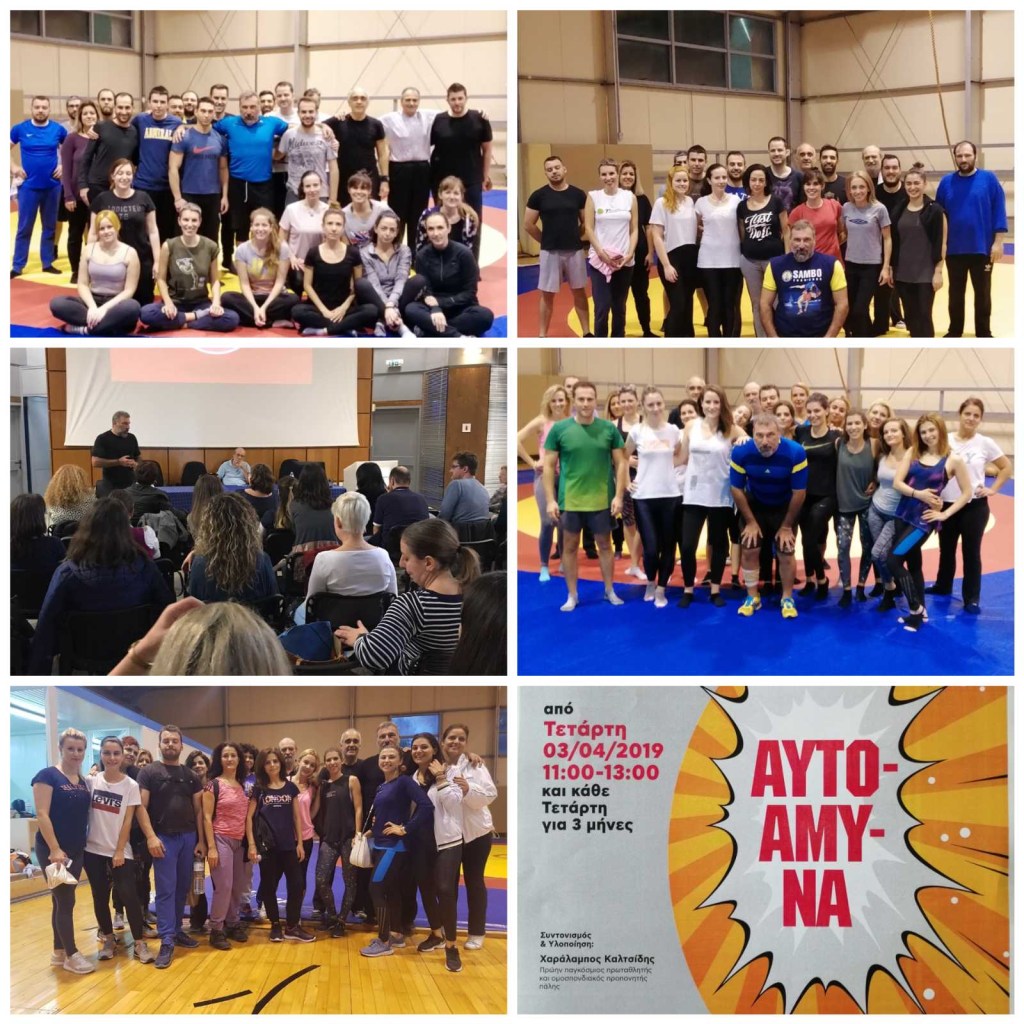
Foundations course aligning body posture, breath, and basic holds with core philosophical stances for de-escalation and clear decision-making.
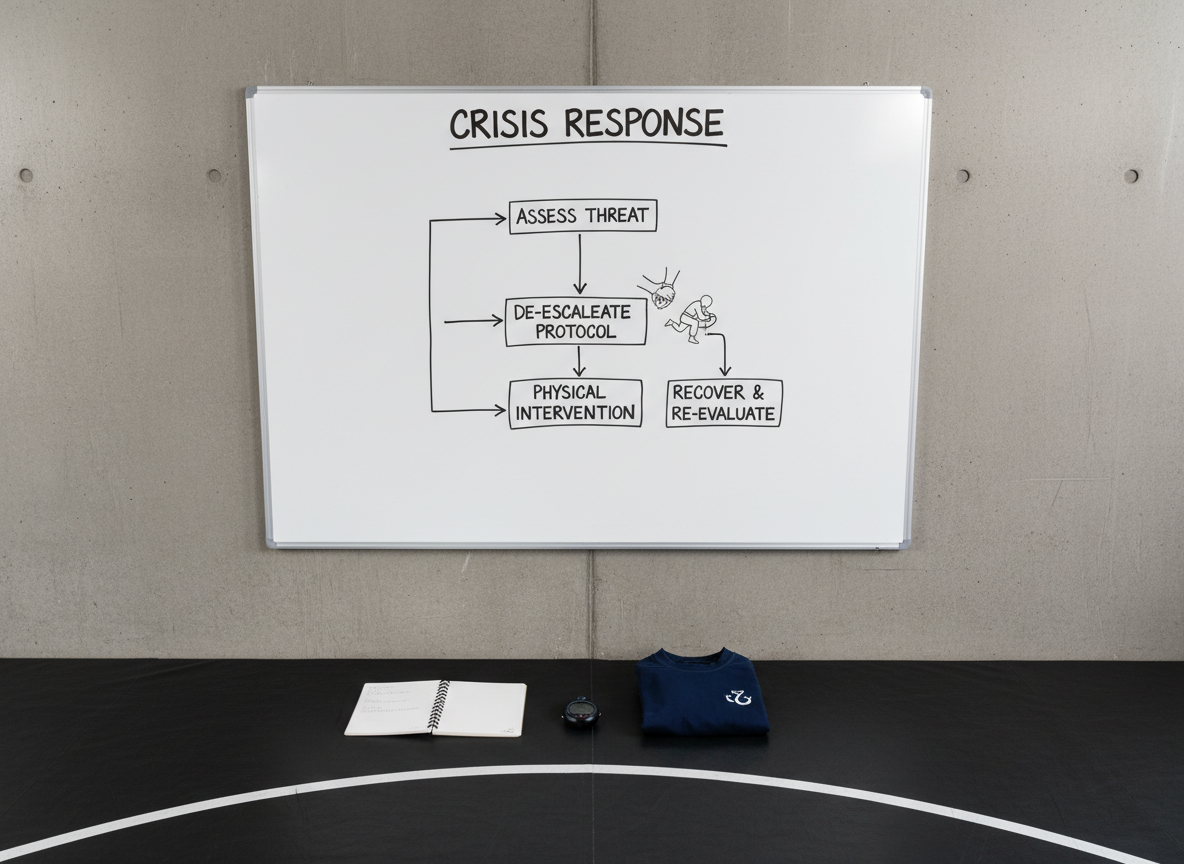
Scenario labs simulate crises—street confrontations, digital pile-ons, workplace conflicts—so you rehearse ethical responses before life throws them at you.
Partners
Training Partners
- Greek Tax Authority (AADE)
- Customs & Tax Academy
- Action Aid · Solidarity Now
- DOM
- ARSIS
- AEK FC
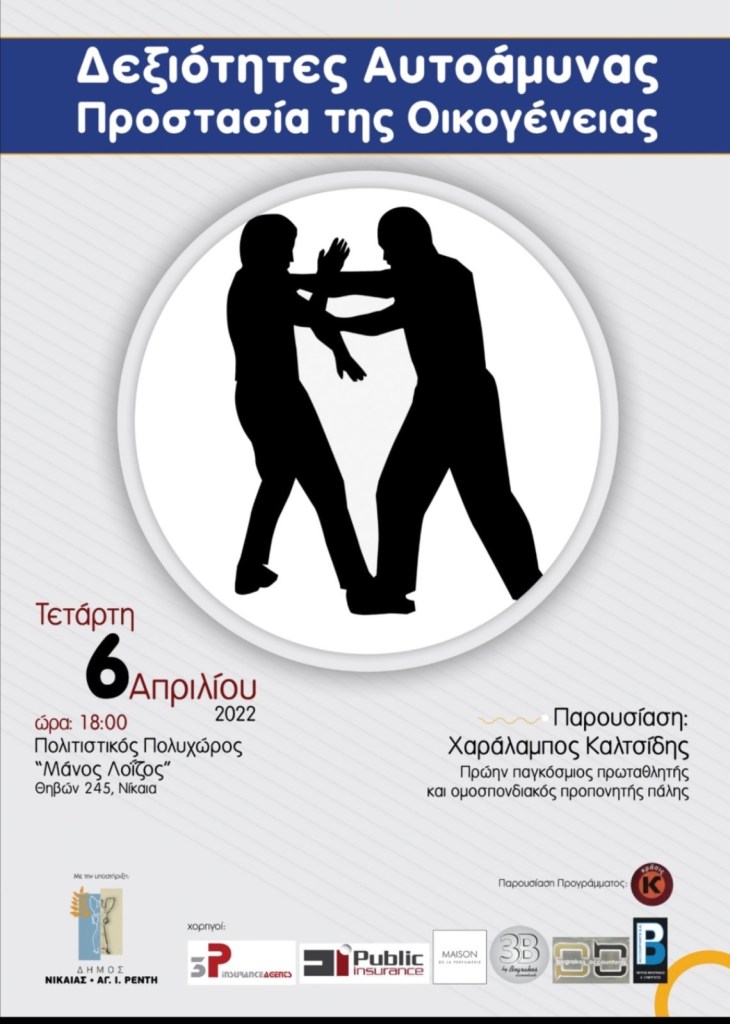
- Municipality of Nikaia
- Private organizations & corporations
Quotes
“If you want to change the world, change yourself.” Socrates
“The simpler you make your life, the freer you become.” Epicurus
“A man’s character determines his future, not luck.” Heraclitus